THE SEED
“The Ephraimites asked Gideon, ‘Why have you treated us like this?’… But he answered them with a gentle response.” Judges 8:1-2.
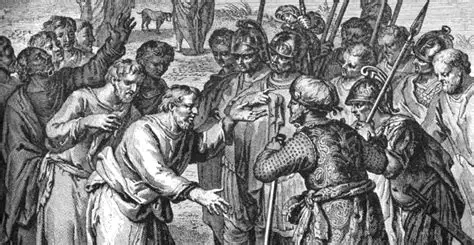
God is a covenant-keeping God. After Gideon’s great victory over the Midianites, a new challenge arose; not from an enemy, but from his people. The Ephraimites were upset because they hadn’t been invited to the initial battle. Instead of responding in pride or anger, Gideon gave a gentle answer,
highlighting the importance of unity and God’s
leadership even after victory. When we achieve
success or overcome a major battle, it’s easy to let our guard down or start relying on our strength. But victory is not the end; it’s the beginning of new responsibilities. God must remain our leader, even in times of celebration. How we respond after the win can either preserve peace or cause division. Gideon teaches us that humility and wisdom in victory are key. We must let God continue to guide our responses, relationships, and decisions, so that our
success doesn’t become the root of future strife.
BIBLE READING: Judges 8:1-3
PRAYER: Lord, thank You for every victory You’ve given me. Help me to remain humble and wise in how I respond to others. Let me always remember that you are the true source of my success. Continue to lead me, even in times of triumph in Jesus name, Amen.
DÍDÚRÓ NÍNÚ IRẸLẸ LẸ́HÌN ÌṢẸ́GUN IRUGBIN NAA
“Àwọn ọkùnrin Éfúráímù sí wí fún Gídíónì, kili eyi ti ìwọ ṣe si wa báyì, tí ìwọ kò fí pe wa, nigbati ìwọ nlọ ba àwọn ará Mídíánì jà? Ṣùgbọ́n o dá wọ́n lóhùn pẹ̀lú sùúrù” Àwọn Onídàájọ́ 8:1-2.
Ọlọ́run jẹ́ Ọlọ́run tó ń pa májẹ̀mú mọ́; lẹ́yìn ìṣẹ́gun
ńlá Gídíónì lórí àwọn ará Mídíánì, ìpèníjà tuntun kan wáyé; kì í ṣe ọ̀tá, bí kò ṣe láti ọ̀dọ̀ àwọn ènìyàn rẹ̀.
Inú bí àwọn ará Efuraimu nítorí pé wọn kò pè wọ́n síbi ogun àkọ́kọ́. Dípò kí Gídíónì dáhùn pẹ̀lú ìgbéraga tàbí ìbínú, ó fi pẹ̀lẹ́pẹ̀lẹ́ dáhùn, ó sì tẹnu mọ́ pàtàkì ìṣọ̀kan àti ìdarí Ọlọ́run àní lẹ́yìn Ìṣẹ́gun.
Nigba ti a ba ṣaṣeyọri tabi bori ogun pataki kan, o rọrun lati jẹ ki awọn ohun a mú ṣé agbára wa re lẹ, tabi ki a bẹrẹ si gbe ara le agbara wa. Ṣugbọn iṣẹgun kii ṣe opin; o jẹ ibẹrẹ ti awọn ojúṣe titun kan.
Ọlọ́run gbọ́dọ̀ jẹ́ aṣáájú wa, pàápàá l’áwọn àkókò ayẹyẹ. Bi a ṣe dahun lẹhin iṣẹgun le mu alaafia wa tabi fa iyapa. Gideoni kọ wa pe irẹlẹ ati ọgbọn ni kọ́kọ́rọ́ iṣẹgun. A gbọdọ jẹ ki Ọlọrun tẹsiwaju lati ṣe amọna awọn idahun wa, awọn ìbáṣèpọ ati awọn ipinnu, ki aṣeyọri wa maṣe di gbòngbo ti ija ọjọ́ iwaju.
BIBELI KIKA: Àwọn Onídàájọ́ 8:1-3
ADURA: Oluwa mo dúpẹ́ fún gbogbo ìṣẹ́gun tí ẹ fún mi. Ràn mí lọ́wọ́ láti wa ninu ìrẹ̀lẹ̀ ati ọgbọ́n bí ngo ṣe máa bá àwọn èniyàn ṣe pọ. Jẹ́kí èmi ki o máà ranti nigbagbogbo pé ìwọ ni risun òtítọ àṣeyọrí mi. Tẹ̀ síwájú láti máa tọ mi, ni àkókò ìṣẹ́gun ni orúkọ Jesu Amin.