THE SEED
“And Gideon came to Jordan, and passed over, he, and the three hundred men that were with him, faint, yet pursuing them.” Judges 8:4 KJV
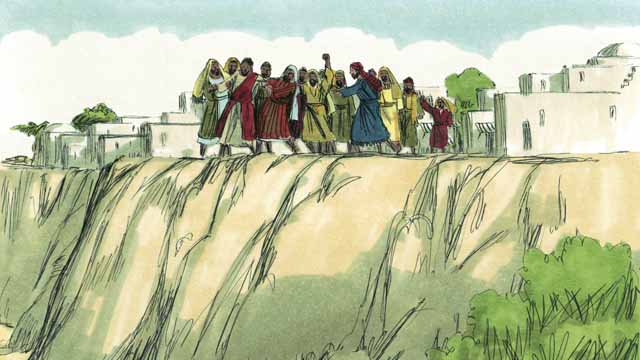
Gideon and his men were exhausted, yet they continued to pursue the enemy. In their moment of need, they sought help from fellow Israelites, but were rejected. Still, Gideon pressed on, determined to complete the mission God gave him. When victory was secured, he returned to deal with those who had mocked and withheld help.This passage challenges us to examine where we truly stand. Are we on the Lord’s side, or are we only willing to support God’s work when it’s convenient or popular? Neutrality in the face of spiritual battles is not an option. Commitment to God’s cause demands action, support, and faith, even when it’s uncomfortable. God honours those who are faithful, persistent, and loyal to His purpose. Like Gideon, we must press on, even when help is denied and opposition arises. Our decision to stand with God must be firm and unwavering.
BIBLE READING: Judges 8:4 13
PRAYER: Father, help me to stand boldly on Your side, no matter the cost. Strengthen me to remain committed, even when I feel tired or unsupported. Let my life be marked by loyalty to Your calling and courage in the face of difficulty in Jesus name, Amen.
PINNU NÍPA ÌHÀ ẸNITI O WA IRUGBIN NAA
“Gídíónì sí de odò Jọ́dánì o si rekọja oun ati ọdúnrun ọkùnrin tí ó wa lọ́dọ̀ rẹ̀, o dí aarẹ ṣùgbọ́n nwọ́n ń lépa síbẹ̀.” Onídàájọ́ 8:4
Ó ti rẹ Gídíónì àti àwọn ènìyàn rẹ̀, ̀síbẹ̀ wọ́n ń bá a lọ láti lépa àwọn ọ̀tá náà. Ni akoko aini wọn, Oluwa wa iranlọwọ lati ọdọ awọn ọmọ Israeli ẹlẹgbẹ wọn, ṣugbọn wọn kọ̀. Síbẹ̀, Gídíónì tẹ̀ síwájú, o pinnu láti parí iṣẹ́ tí Ọlọ́run gbé lé e lọ́wọ́. Nígbà tí wọ́n ni ìṣẹ́gun, ó pa dà wá bá àwọn tí wọ́n n fí wọ́n ṣe yẹ̀yẹ́ tí wọ́n sì fawọ́ ìrànlọ́wọ́ sẹhin. Ìwé kika yí pe wá nija nipa ìhà ti a dúró si. A ha wà ní ìhà Oluwa, tàbí a fẹ́ ṣè atìlẹ́yìn fún iṣẹ́ Ọlọrun nígbà tí ó bá rọrùn tàbí tí ó di ohun ti gbogbo aye mọ̀? Jíjẹ alaibikita níwájú awọn ogun ti ẹmi, kii ṣe ohun tí a lè mú nigbati kò sì ọ̀nà míràn. Ifaraji si iṣẹ Ọlọrun nbeere fun iṣe, atilẹyin, ati Igbagbọ, paapaa nigba ti ko rọrun.
Ọlọ́run ń buọlá fún àwọn tí wọ́n jẹ́ olòótọ́, tí wọ́n dúró ṣinṣin, tí wọ́n sì jẹ́ adúró ṣinṣin sí èrò Rẹ̀. Gẹ́gẹ́ bíi Gídíónì, a gbọ́dọ̀ tẹ̀ síwájú, bi o tilẹ jẹ́ pé a fí iranlọwọ du wa; nígbà tí a kò bá ràn wá lọ́wọ́, tí àtakò sì dìde. Ìpinnu wa láti dúró pẹ̀lú Ọlọ́run nílátì dúró gbọn-in, ti kò sì gbọ́dọ̀ yẹ.
BIBELI KIKA: Onídàájọ́ 8:4 13
ADURA: Baba ràn mí lọwọ láti dúró níwájú Rẹ pẹ̀lú ìgboyà, bí o ti wù kí ó rí. Ràn mí lọwọ lati lé dúró pẹ̀lú ifaraji, bi o tilẹ rẹ̀ mi, lai si alafẹhinti. Jẹ́ kí ayé mi ni amin ijolotitọ si ìpè Rẹ̀ ati ìgboyà níwájú wàhálà ní orúkọ Jésù Amin.