THE SEED
“Gideon made the gold into an ephod… and all Israel prostituted themselves by worshipping it.” Judges 8:27 (NIV)
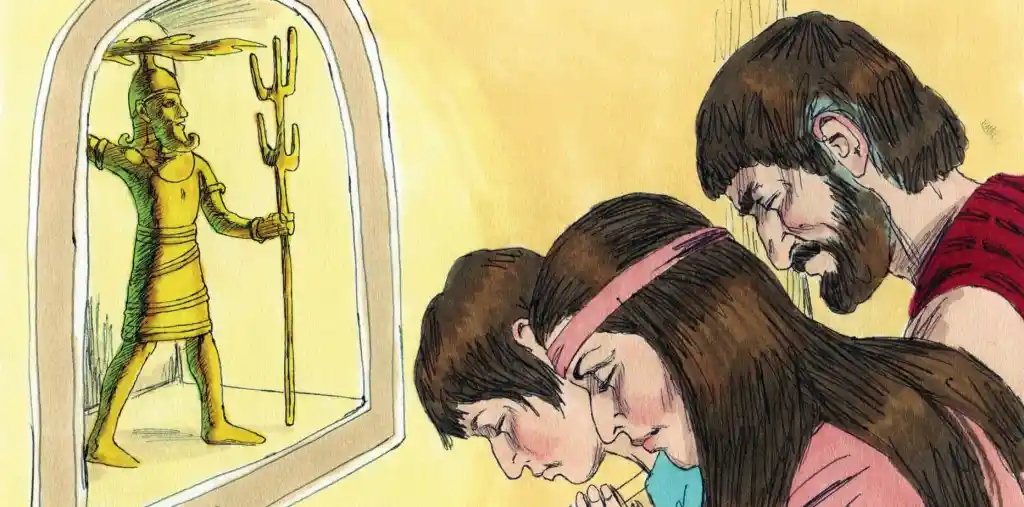
After the great victory, Gideon asked for gold from the spoils of war and made an ephod, which became a snare to him and the Israelites. Though the enemies were defeated, a spiritual enemy found a way back into their midst through idolatry. Later, after Gideon died, the people completely turned away from God to worship idols.Victory can breed complacency if we’re not watchful. Letting down our guard to trivialise the things of God, negligence, or carelessness in our relationship with God are weapons of the enemy to target our victory. The enemy often waits until we relax our guard to strike again, not always through battle, but through subtle temptations, pride, or forgetfulness. What should
have been a symbol of God’s help became a stumbling block. We must remain spiritually alert after every win to look out for the likely areas that can be used by our enemies to fire the arrow of revenge at us. After breakthroughs and blessings, let us continue to seek God and avoid anything that competes with His lordship in our lives.
BIBLE READING: Judges 8:24-35
PRAYER: Father, help me to stay vigilant after every victory. Protect my heart from pride and compromise. May I never turn the blessings You give me into idols. Keep me faithful and focused on You all my days in Jesus name, Amen.
ṢỌ́RA FÚN IGBẸSAN ÀWỌN OTA LẸ́HÌN ÌṢẸ́GUN
IRUGBIN NAA
“Gideoni sí fi i ṣe èwù éfódì kan, o si fi i sí ìlú rẹ̀, “ní Ofra: gbogbo Israeli sí ṣe àgbèrè tọ ọ lẹhin níbẹ̀: o sì wá di ìdẹkùn fún Gídeónì, àti fún ilé rẹ̀.” Onídájọ́ 8:27
Lẹ́yìn ìṣẹ́gun ńláǹlà náà, Gídíónì béèrè fún wúrà nínú ìkógun ogun ó sì ṣe éfódì, èyí tó di ẹ̀gàn fún òun àti àwọn ọmọ Ísírẹ́lì. Bí ó tilẹ̀ jẹ́ pé a ṣẹ́gun àwọn ọ̀tá, ọ̀tá ti ẹ̀mí kan rí ọ̀nà padà sí àárín wọn nípasẹ̀ ìbọ̀rìṣà. Lẹ́yìn náà, lẹ́yìn ikú Gídíónì, àwọn ènìyàn náà kúrò lọ́dọ̀ Ọlọ́run pátápátá láti sìn àwọn òrìṣà. Ìṣẹ́gun lè mú kí ìrẹ̀wẹ̀sì bá wa bí a kò bá ṣọ́ra. Fífi ìṣọ́ wa sílẹ̀ láti f’ojú kéré àwọn ohun ti Ọlọ́run. Àìbìkítà, tàbí àkíyèsra nínú àjọṣepọ̀ wa pẹ̀lú Ọlọ́run jẹ́ ohun ìjà ọ̀tá láti dojú kọ ìṣẹ́gun wa. Awọn ọta nigbagbogbo nduro titi di igba ti a ba túrasilẹ kúrò ninu ipò iṣọ, ki wọ́n le kọlu wa lẹẹkansi, kii ṣe nigbagbogbo nipasẹ ogun, ṣugbọn nipasẹ awọn idanwo arekereke, igberaga, tabi igbagbe. Ohun tí ó yẹ kí ó jẹ́ àmì ìrànlọwọ́ Ọlọ́run di ohun ìkọ̀sẹ̀. A gbọ́dọ̀ wà nínú ìgbáradì nípa tẹ̀mí, lẹ́yìn gbogbo ìṣẹ́gun láti f’ojú sí àwọn ibi tí o ṣeé ṣe fún àwọn ọ̀tá wa láti lò fún títa ọfà ẹ̀san si wa lára. Lẹ́yìn àwọn àlájá àti ìbùkún, ẹ jẹ́ kí a máa tẹsiwaju láti wá Ọlọ́run, ká a sì yẹra fún ohunkóhun tó bá ń bá ipò Olúwa díje nínú ìgbésí ayé wa.
BIBELI KIKA: Àwọn Onídàájọ́ 8:24-35 ADURA: Bàbá ràn mí lọwọ láti wa ni ìṣọ́nà lẹhin gbogbo ìṣẹ́gun. Dáàbò bo ọkàn mi kúrò lọ́wọ́ ìgbéraga àti igbọjẹ́gẹ. Máṣe jẹ́kí nfi ìbùkún mí fún àwọn òrìṣà. Mu mí jẹ olotitọ kí n sì gbé ojú mi le Ọ nigbogbo ọjọ́ ayé mi Amin.