THE SEED
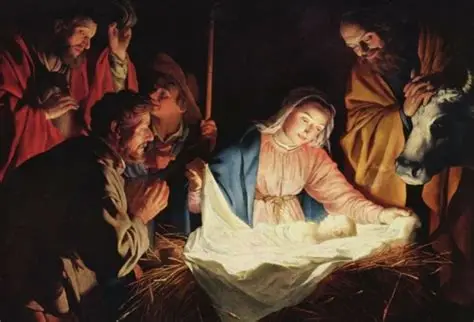
“And they came with haste and found Mary and Joseph, and the Babe lying in a manger… Then the shepherds returned, glorifying and praising God for all the things that they had heard and seen, as it was told to them.” Luke 2:16, 20 (NKJV)
The day after Christmas is not a time to forget, but a moment to reflect. The shepherds didn’t just witness the miracle of Christ’s birth—they responded with worship. Moved by the encounter, they returned glorifying and praising God. In the same way, after the joy and excitement of Christmas Day, we too are invited to continue in awe, thanksgiving, and wholehearted devotion. Jesus is not a seasonal Saviour. He is the enduring gift whose presence transforms not just our celebrations but our everyday lives. The right response to His coming is not merely a moment of joy but a lifetime of praise. As the decorations come down and the noise of celebration fades, let your heart continue to echo with gratitude for all He has done. Our lives should mirror the shepherds’ response: urgency in seeking Him, reverence in beholding Him, and joy in proclaiming Him. Christmas may be over, but Christ remains; ever present, ever powerful, ever worthy of our praise. Let the gift of His presence inspire a renewed commitment to live daily in worship.
BIBLE READING: Luke 2:15-21
PRAYER: Lord, help me not to move on too quickly from the wonder of Christmas. May the joy of your coming stay alive in my heart every day. Let my life be a song of praise in response to Your gift in Jesus name, Amen.
ÌDÁHÙN FÚN Ẹ̀BÙN NÁÀ IRUGBIN NAA
“Wọ́n sì kánjú wá, wọ́n sì rí Màríà àti Jósẹ́fù, àti ọmọdékùnrin náà tí ó dùbúlẹ̀ nínú ibùjẹ ẹran…” Nígbà náà ni àwọn olùṣọ́ àgùntàn padà, wọ́n ń yin Ọlọ́run lógo, wọ́n sì ń yin Ọlọ́run nítorí ohun gbogbo tí wọ́n ti gbọ́, tí wọ́n sì rí, gẹ́gẹ́ bí a ti sọ” Luku 2:16, 20
Lẹhin ọjọ́ Keresimesi kii ṣe akoko lati gbagbe, ṣugbọn akoko kan lati ronu. Àwọn oluṣọ-agutan naa ko dédé ri iṣẹ iyanu nípa tí ibi Kristi, wọn dahun pẹlu ìjọsìn. Pẹ̀lú gbogbo ohun ti o jọ wọ́n-loju nípa ìbàpadé wọn, wọ́n padà wá nyin Ọlọ́run lógo pẹ̀lú orin ọpẹ. Lọ́nà kan náà, lẹ́yìn ayọ̀ àti ìdùnnú ti Ọjọ́ Kérésìmesì, a pe wa pẹ̀lú láti máa tẹsiwaju nínú àgbàyanu, ìdúpẹ́, àti ìfọkànsìn tọkàntọkàn. Jesu kii ṣe Olugbala àkókò. Oun ni ẹbun pipe ti ìwà láàyè Rẹ kii ṣe láti yí àwọn ayẹyẹ padà nikan, ṣugbọn awọn igbesi aye wa ojoojumọ. Idahun ti o tọ si ìwá si ayé Rẹ kii ṣe akoko àjọyọ lasan, ṣugbọn fún igbesi aye iyin logo. Bi awọn ohun-ọṣọ ti a sọkalẹ ati ariwo ti awọn ayẹyẹ ti nkasẹ nilẹ̀, jẹ ki ọkan rẹ tẹsiwaju lati gbohun sókè pẹlu ọpẹ fun gbogbo ohun ti O ti ṣe. Igbesi aye wa yẹ ki o ṣe afihan idahun àwọn oluṣọ-agutan: ṣíṣe afẹri ní kankan, ibọwọ fun wí wo oju Rẹ, ati ayọ ní ti ikede Rẹ. Keresimesi lè ti pari ṣùgbọ́n Kristi dúró títí; o wà ní ibi gbogbo, alagbara, títí lae ni o yẹ fun iyin wa, Jẹ ki ẹbun ìwàláàyè Rẹ rú ìfaraji ọtun wa, lati máà gbé nínú isin Rẹ lojoojumọ.
BIBELI KIKA: Lúùkù 2:15-21
ADURA: Olúwa ràn mí lọ́wọ́ lati má sáré kọjá iyanu Kérésìmesì. Ki ayọ̀ wí wá Rẹ ki o wa láàyè nínú ọkàn mí ni ojoojumọ. Jẹ́kí ayé mi kí ó jẹ́ orin ìyìn ní ìdáhùn sí ẹ̀bùn Rẹ, ni orúkọ Jesu Àmín.