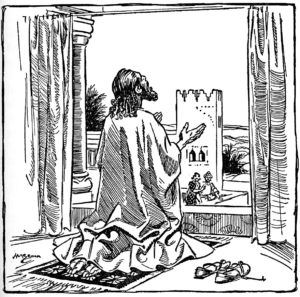
AN EXCELLENT SPIRIT
THE SEED
“Then this Daniel was preferred above the presidents and princes, because an excellent spirit was in him; and the king thought to set him over the whole realm.” — Daniel 6:3 KJV
An excellent spirit goes beyond talent, skills, or performance. It is a mindset, a heart posture, and a way of life that reflects God’s nature. Excellence is doing your best to honour God in all things. Daniel stood out among leaders not because of privilege but because of the spirit of excellence at work in him. He was faithful, diligent, and consistent both in his responsibilities and in his walk with God. True excellence begins in the secret place with God. A person who is careless about their relationship with God cannot sustain excellence in other areas of life. Jesus Himself modelled a spirit of excellence—His life, service, and love were marked by divine order and diligence. To walk in excellence, one must be disciplined, humble, courageous, and focused on pleasing God rather than people. The spirit of excellence is the fruit of a life led by the Holy Spirit (Galatians 5:25). It inspires integrity, humility, and unwavering faithfulness. God honours those who serve Him with their best, and like Daniel, He sets them apart. Are you pursuing excellence for personal glory or to reflect God’s character to the world?
BIBLE READINGS: Romans 12:10–21
PRAYER: O Lord, fill me with an excellent spirit. Give me wisdom, understanding, and strength to honour You in every area of my life. Amen.
ẸMÍ TI TAYỌ
IRUGBIN NAA
“Nigbana ni Daniẹli si ga ju awọn olori ati awọn ijoye lọ, nitori ẹmi ti o tayọ wà ninu rẹ̀; ọba si pinnu lati fi i ṣe olori gbogbo ijọba.” — Dáníẹ́lì 6:3
Ẹmi ti o tayọ kọja talenti, awọn ọgbọn, tabi iṣẹ ṣiṣe. Ó jẹ́ èrò inú, ìdúró ọkàn, àti ọ̀nà ìgbésí-ayé tí ó fi ìwà-bi Ọlọrun hàn. Títayọ ni ṣiṣe ohun ti o dara julọ lati bu ọla fun Ọlọrun ninu ohun gbogbo. Dáníẹ́lì dá yàtọ̀ láàárín àwọn aṣáájú ọ̀nà kì í ṣe nítorí àǹfààní, ṣùgbọ́n nítorí ẹ̀mí ìtayọ tí ń ṣiṣẹ́ nínú rẹ̀. Ó jẹ́ olóòótọ́, aláápọn, ó sì dúró ṣinṣin nínú àwọn ojúṣe rẹ̀ àti nínú ìrìn àjò rẹ̀ pẹ̀lú Ọlọ́run. Títayọ tootọ bẹrẹ ni ibi ikọkọ pẹlu Ọlọrun. Ẹni tí kò bìkítà nípa àjọṣe wọn pẹ̀lú Ọlọ́run kò lè gbé ìtayọ ró ní àwọn ibòmíràn nínú ìgbésí ayé wọn. Jesu tikararẹ ṣe apẹẹrẹ ẹmi titayọ julọ—igbesi aye rẹ, iṣẹ-isin rẹ, ati ifẹ; ni o ni ami nipasẹ ilana ati aapọn atọrunwa. Lati rin ni títayọ, eniyan gbọdọ jẹ onípá- mọ́ra, onirẹlẹ, onigboya, ti o ni àfojúsùn lori titẹ Ọlọrun lọ́rùn ju awọn eniyan lọ. Ẹ̀mí ìtayọ jẹ́ èso ti ìyè, tí Ẹ̀mí Mímọ́ ń darí (Galatia 5:25). Ó ń ru ìdúróṣinṣin, ìrẹ̀lẹ̀, àti ìṣòtítọ́ aláìlẹ́gbẹ́ sókè. Ọlọ́run ń bọlá fún àwọn tó ń sìn ín pẹ̀lú ohun tó dára jù lọ, àti gẹ́gẹ́ bí Dáníẹ́lì, ó yà wọ́n sọ́tọ̀. Ṣe o n lepa títayọ julọ fun ogo ti ara ẹni, tabi lati ṣe afihan ihuwasi Ọlọrun si agbaye
BIBELI KIKA: Róòmù 12:10–21.
ADURA: Oluwa, fi emi Ìtayọ kun mi. Fun mi ni ọgbọn, oye, ati agbara lati bu ọla fun Ọ ni gbogbo ọ̀nà igbesi aye mi. Amin.