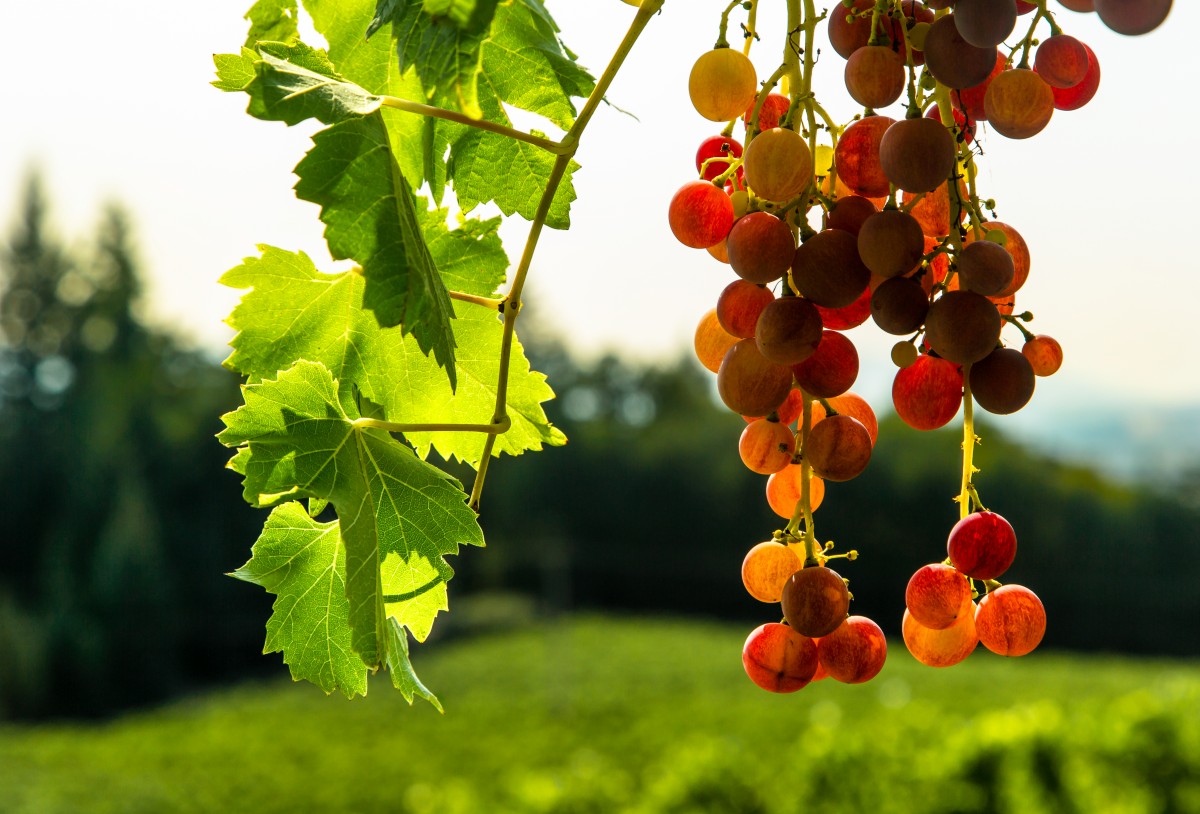
PRUNE FRUITLESS HABITS
THE SEED
“Every branch in me that beareth not fruit he taketh away: and every branch that beareth fruit, he purgeth it, that it may bring forth more fruit.” — John 15:2 KJV
Habits quietly shape our character and our future. Some nourish growth; others drain life. Fruitless habits—mindless scrolling, procrastination, gossip, worry without action, toxic conversations, overindulgence—feel harmless in the moment but slowly erode discipline, dull spiritual sensitivity, and steal time from what truly matters. Jesus teaches that fruitful living flows from abiding in Him. The Father, as the wise vinedresser, lovingly prunes what hinders growth so we can bear “more fruit.” Pruning can feel uncomfortable, but it is an act of grace that refocuses us on practices that produce love, joy, peace, and purposeful work. With God’s help, you can uproot what no longer serves your calling and plant new rhythms—Word, prayer, fellowship, service—that bear lasting fruit. By their fruits we are known (Matthew 7:20). Choose habits that agree with your destiny. Which one fruitless habit will you invite God to prune this week—and what fruitful practice will you plant in its place?
BIBLE READINGS: John 15:1–8
PRAYER: Father, prune what is unfruitful in me. Help me abide in Christ and bear much fruit for Your glory. Amen.
KE ÀWỌN ÌWÀ ALÁÌLÉSO KURO
IRUGBIN NAA
“Gbogbo ẹ̀ka tí ó wà nínú mi tí kò so èso, òun a mú kúrò: àti gbogbo ẹ̀ka tí ó bá so èso, òun yíò wẹ̀ ẹ́ mọ́, kí ó lè so èso sí i.” — Jòhánù 15:2.
Awọn iṣe wa ni diẹ diẹ máa ń tún iwa wa, ati ọjọ iwaju wa ṣé. Diẹ ninu wọn a máà ṣe idagbasoke wa loore; awọn miran a si maa din aye wa ku. Àwọn àṣà tí kò ní èso—ai ni ìronú jinlẹ̀, ìsọkúsọ, òfófó, àníyàn láì ni ìgbésẹ̀, ìjíròrò kíkorò, àṣejù—máa ní imọ̀lára ti koléwu ní àkókò náà ṣùgbọ́n díẹ̀díẹ̀ ńi o máà njẹ́ wọ inu ìpamọ́ra, aibikita nípa tẹ̀mí, wọ́n sì máa ń jí àkókò kúrò nínú ohun tó ṣe pàtàkì gan-an. Jesu kọni pe igbe aye eleso nṣàn lati inu gbigbe ni inu Rẹ̀. Baba, gẹ́gẹ́ bí ọlọ́gbọ́n oluṣọgba, fi tìfẹ́tìfẹ́ gé ohun tí ń ṣèdíwọ́ fún ìdàgbàsókè kí a baà lè so “èso púpọ̀ sí i.” Ìtọ́jú àjàrà le ma dun mọ́ ni, ṣugbọn o jẹ iṣe ore-ọfẹ ti o tun ni àfojúsùn lori awọn iṣe ti o nmu ifẹ, ayọ, alaafia, ati iṣẹ ti o ni idi. Pẹ̀lú ìrànlọ́wọ́ Ọlọ́run, o lè fa ohun tí kò ṣe àǹfààní fún iṣẹ́ ìpè yín , kí o sì gbin àwọn Ọ̀rọ̀ tuntun— àdúrà, ìdàpọ̀, iṣẹ́ ìsìn—tí ń so èso pípẹ́ títí. Nipa awọn eso wọn ni a mọ wa (Matteu 7:20). Yan awọn iwa ti o ni ibamu pẹlu ayanmọ rẹ. Iwa alaileso wo ni iwọ yió pe Ọlọrun lati gbin ni ọsẹ yii — ati aṣa eleso wo ni iwọ yió gbin dipo rẹ?
BIBELI KIKA: Jòhánù 15:1–8.
ADURA: Baba, ge ohun ti ko so ninu mi. Ran mi lowo lati duro ninu Kristi Ki o si so eso pupo fun ogo Re. Amin.