THE SEED
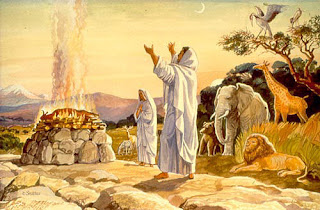
“And Noah built an altar unto the LORD; and took of every clean beast, and of every clean fowl, and offered burnt offerings on the altar.” — Genesis 8:20 (KJV)
After surviving the flood and stepping into a renewed earth, Noah’s first act was not to rest or rebuild; it was to give thanks. He built an altar and offered sacrifices to the Lord from the clean animals he had preserved through the ark. This act was not routine; it was thoughtful, intentional, and deeply personal. Noah understood that what he had survived and what he had received was only by God’s mercy. This applies to us today as we step into the twelfth month of this year; not by our power but by God’s grace. Indeed, a lot has happened for us not to be
alive or in favourable conditions, but God’s faithfulness and mercies to keep us supersede them all. True thanksgiving is more than words; it’s an offering. It is a conscious recognition of God’s faithfulness, a deliberate response to His goodness, and a heartfelt sacrifice of praise. Thoughtful Thanksgiving goes beyond convenience; it costs us something: time, attention, or even resources, but it honours God in a way that moves His heart. Let us learn from Noah. When God brings you through a storm, don’t rush past the moment. Pause and offer
intentional thanks. Build an altar in your heart, your home, or your worship. Let your gratitude rise not just from your lips, but from a place of deep reflection and reverence.
BIBLE READING: Psalm 116:12-17
PRAYER: Lord, I come to you with a thoughtful Thanksgiving today, I am deeply grateful for how far you have brought me this year against all odds; help me to never take Your goodness for granted, but in the way I live, give, and worship, may my heart always overflow with gratitude. Amen.
MÍMÚ ỌPẸ ÀTỌKÀN WA IRUGBIN NAA
“Nóà sì tẹ pẹpẹ kan fún Olúwa, o sí mú nínú gbogbo ẹranko tí ó mọ́, àti nínú gbogbo ẹyẹ tí kò mọ́, ó sì rú ẹbọ sísun lórí pẹpẹ.” — Jẹ́nẹ́sísì 8:20.
Lẹ́yìn tí Nóà la ìkún omi ja, o gbé ìgbésẹ̀ wọ inu ayé tuntun. Ìṣe àkọ́kọ́ tí Nóà ṣe, kìí ṣe láti sinmi tàbí lati ṣe atunkọ; ṣùgbọ́n láti dupẹ. O kọ pẹpẹ kan o sí rú àwọn ẹbọ lórí rẹ̀ sí Olúwa nínú àwọn ẹranko tí ó mọ́, tí ó tí pèsè sọ́tọ̀ nínú ọkọ. Ìṣe yí kii ṣe èyí tí ó máa ńṣe nigbagbogbo; ṣùgbọ́n o jẹ́ èrò àtọkànwá ti ara rẹ̀. Nóà lóye ohùn ti o la kọjá pe ohun tí ó ún rí gba, nipasẹ àánú Ọlọ́run ní. Èyí jẹ àpẹrẹ fún wa lónì pé, bi a tí ṣe ń kọjá sinu oṣù kejìlá ọdún yi; kii ṣé nípa agbára wa ṣùgbọ́n oore-ọfẹ Ọlọrun ni. L’otitọ ọ̀pọ̀ ìṣẹ̀lẹ̀ ló tí ṣẹlẹ̀ sí wa bí ẹni pé kí a má le wa laaye tàbí wa nínú ipò to dára, ṣùgbọ́n ijolotitọ àti àánú Ọlọ́run mu wá mọ́ làti bori wọn gbogbo. Ọpẹ otitọ, ju àwọn ọ̀rọ̀ lọ; o jẹ́ ọrẹ. O jẹ́ ìmọ̀ rírì ijolotitọ Ọlọ́run ati idahun sí ire Rẹ̀, atí rírú ọrẹ ẹbọ ọpẹ. Ọpẹ arò jinlẹ̀, kọjá ìgbà tí ó bá tẹ̀ wa lọ́rùn; o ná wa ní àwọn nkankan: àkókò, àkíyèsí, àní àwọn ọrọ̀, ṣùgbọ́n ó ń bù ọlá fún Ọlọ́run ní ọ̀nà tí yió mi ọkàn Rẹ. Ẹ jẹ́ kí a kọ ẹkọ lati ara Nóà. Nígbà tí Ọlọ́run bá mú ọ la ìjì kọjá, ma sáré kọjá àkókò náà. Dúró díẹ̀ kí ó dúpẹ́ atinu wá. Kọ́ pẹpẹ sínú ọkàn rẹ, sinú ilé rẹ tàbi sí ibí ìjọsìn rẹ. Máṣe jẹ́kí ́imoore rẹ jẹ́ ti orí ètè, ṣùgbọ́n ki o wá láti inú ijinlẹ ìmọ̀ rírí.
BIBELI KIKA: Sáàmù 116:12-17
ADURA: Olúwa mo wá sí ọ̀dọ̀ Rẹ̀ pẹ̀lú ọkàn idupẹ tí o jinlẹ. Mo dupẹ gidi gidi fun idásí ibi tí ẹ mu mí de nínú ọ̀pọ̀ wàhálà. Ran mí lọwọ lati má fi ọwọ́ yẹpẹrẹ mu oore Rẹ: Ṣùgbọ́n Jẹ́kí ọkàn mí kí ó kún àkún wọ sílẹ̀ fún imore Rẹ̀. Àmín.