THE SEED
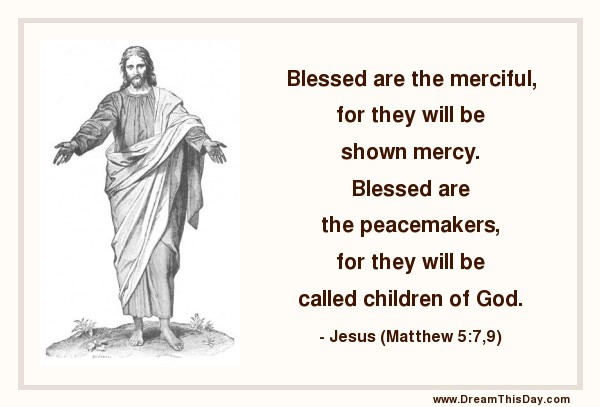
“Blessed are the pure in heart, for they shall see God. Blessed are the peacemakers, for they shall be called sons of God.” Matthew 5:8-9 (NLT)
Many outward signs may identify someone as a Christian: regular church attendance, active participation in ministries, or public acts of kindness. However, in His Sermon on the Mount, Jesus emphasised two foundational qualities that define true children of God: a pure heart and a commitment to peace. Being pure in heart means having sincere intentions, free from hypocrisy and bitterness. It is a heart fully devoted to God, reflecting His love and holiness. Peacemakers, on the other hand, actively seek to restore harmony in their relationships, reflecting the reconciling nature of Christ. Without these core qualities, it is difficult to live out the full expression of our faith, regardless of our other spiritual activities. Remember, a heart that harbours unforgiveness or strife cannot truly connect with God, for as we relate to others, so we relate to Him. Today, let us strive to be pure in heart and makers of peace, living as true children of our Heavenly Father.
BIBLE READING: Psalm 24:36
PRAYER: Lord, help me to keep my heart pure before You and to live at peace with others. Let my life reflect Your love and grace in Jesus’ name, Amen.
ỌKÀN TÍ O JẸ́ ÌDÙNNÚ FÚN ỌLỌ́RUN IRUGBIN NAA
“Alábùkún-fun lí àwọn onínú fún fún; nítorí wọ́n o ri Ọlọ́run”. Alábùkún-fun lí àwọn onilaja: nítorí ọmọ Ọlọ́run ni a ó máà pé wọ́n.” Mátíù 5:8-9
Ọpọlọpọ àwọn àmì òde ara le ṣe idanimọ ẹnikan bi Onigbagbọ: wiwa si ile ijọsin deede, ikopa takun- takun ninu awọn iṣẹ iranṣẹ, tabi awọn iṣe inurere si gbogbo eniyan. Sibẹ, nínú ìwàásù Rẹ̀ lórí Òkè, Jesu tẹnu mọ́ àwọn ìpìlẹ̀ méjì tí ó túmọ̀sí Àwọn Ọmọ Ọlọrun tòótọ́: ọkàn mímọ́ àti ìfaraji sí àlàáfíà. Jíjẹ mímọ́ nínú ookàn-àyà túmọ̀ sí, níní àwọn èrò inú ti o jẹ́ òtítọ́, láìsí àgàbàgebè àti ìkorò. O jẹ ọkan ti a ya sọtọ ni kikun si Ọlọrun, ti n ṣe afihan ifẹ ati iwa mimọ Rẹ. Ní ọ̀nà míràn, àwọn ti o màá nwa àlàáfíà máa ń wá ọ̀nà láti mú ìṣọ̀kan padàbọ̀sípò nínú àjọṣe wọn, ní fífi irú ẹ̀mí ìrẹ́pọ̀ ti Kristi hàn. Láìsí àwọn itọ́kasí pàtàkì wọ̀nyí, ó máa ń ṣòro láti gbé ní ẹ̀kúnrẹ́rẹ́ ìfihàn Ìgbàgbọ́ wa, láìka àwọn ìgbòkègbodò nínú tẹ̀mí wa, mìíràn sí. Ranti, ọkan ti o pa ẹ̀mí ai ni idariji mọ, si ínú ọkàn rẹ, tabi ija, ko le so pọ pẹlu Ọlọrun nitootọ, nitori pe bi a ṣe ni ìbáṣèpọ pẹ̀lú awọn ẹlomiran, bẹẹ ni a ṣe ni ìbáṣèpọ pẹ̀lú Rẹ. Lónìí, ẹ jẹ́ ká máa sa ipá láti jẹ́ ọlọ́kàn mímọ́ àti olùṣe àlàáfíà, ki máa gbé gẹ́gẹ́ bí ọmọ
baba wa ti mbẹ lọ̀run tootọ.
BIBELI KIKA: Sáàmù 24:36
ADURA: Olúwa, ràn mí lọwọ láti pa ọkàn mi mọ́ níwájú Rẹ, àti ki nlé gbé ní àlàáfíà pẹ̀lú àwọn ẹlòmíràn. Jẹ́kí ayé mí fi ki o fi ifẹ ati ore-ọfẹ Rẹ hàn ni orúkọ Jesu Àmín.