WHO IS YOUR SOURCE OF POWER?
THE SEED
“Thus saith the LORD; Cursed be the man that trusteth in man, and maketh flesh his arm, and whose heart departeth from the LORD.” — Jeremiah 17:5 KJV
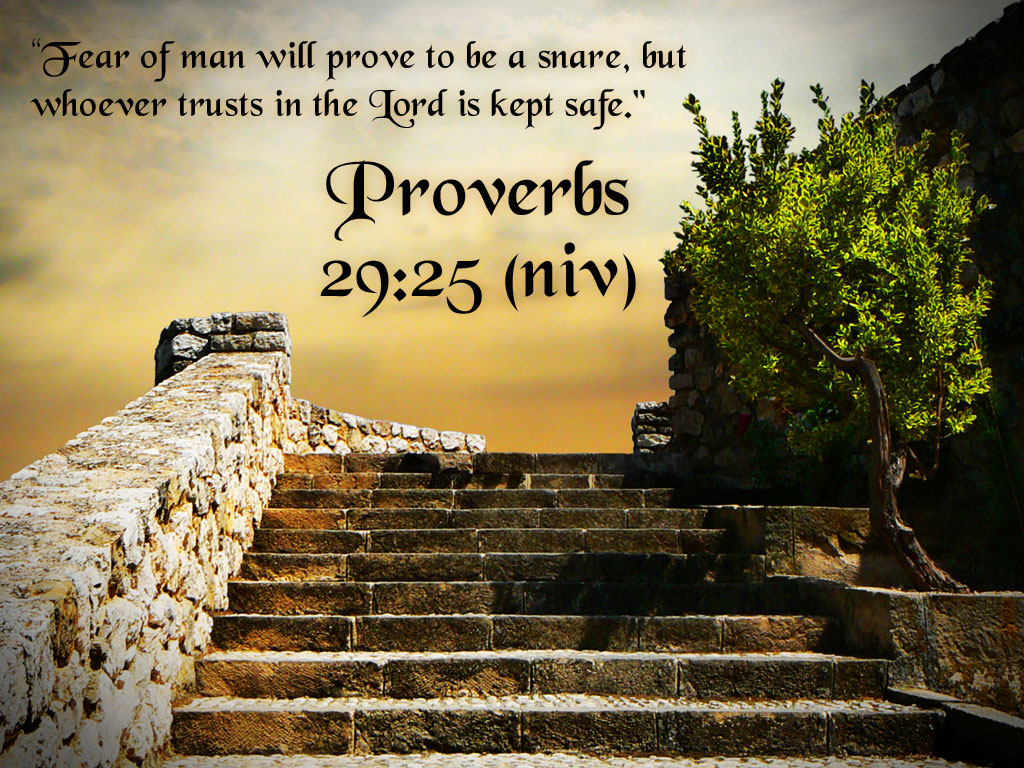
Every person draws strength and power from somewhere—whether consciously or unconsciously. Some depend on personal abilities, others rely on influential people, human systems, or connections. While these can be useful, they are not reliable foundations for lasting strength. People fail, resources dry up, and circumstances change. Scripture warns that when we place ultimate trust in man, we build on unstable ground.
God, however, offers a different kind of strength—eternal, unfailing, and rooted in His divine power. He sustains life, strengthens the weak, and opens doors no man can shut. “My help comes from the LORD, the Maker of heaven and earth” (Psalm 121:1–2). His strength is made perfect in our weakness, and when He is our source, we are anchored beyond what human strength can offer. Trusting in God’s power guarantees peace and security, even in storms. Trusting in man may bring temporary gain but often leads to disappointment and compromise. God’s power lifts the humble, empowers the weak, and brings victory without human approval. Where have you placed your trust—on human ability or on God’s unfailing power?
BIBLE READINGS: Jeremiah 17:5–13
PRAYER: I choose to trust You, Lord. You are my source of strength and power from beginning to end. Amen.
TA NI ORÍSUN AGBÁRA RẸ?
IRUGBIN NAA
“Bayi li Oluwa wi: Egbe ni fun ẹniti o gbẹkẹle enia, ti o fi ẹlẹran ara ṣe apá rẹ̀, ẹniti ọkàn rẹ̀ si ṣi kuro lọdọ Oluwa!”Jeremaya 17:5 YBCV
Gbogbo ènìyàn ní o ni orísun tí wọ́n ti ń fa ìmúlò okun àti agbára, bóyá wọ́n mọ̀ tàbí won kò mọ̀. Awon kan gbẹ́kẹ̀lé imọ ara wọn, awọn miran sì gbẹ́kẹ̀lé àwọn ènìyàn tó lágbára lawujọ tàbí àfọwọsowọpọ oniruru. Bí o tilẹ̀ jẹ́ pé àwọn nǹkan wọ̀nyí lè ràn wá lọ́wọ́, kò sí nínú wọn tí ó ṣe iranlọwọ to ṣe e fọkantan. Ènìyàn lè ṣèṣì, ohun elo àyé lè tan, ìpò lè yí padà. Nígbà tí a bá gbẹ́kẹ̀lé ènìyàn ju Ọlọrun lọ, a ń kọ ilé wa lórí ilẹ̀ tí kò dúró ṣinṣin. Ṣùgbọ́n Ọlọrun ti ṣe ipèsè ọna agbára mìíràn — agbára tí ayeraye, tí kò le e jakulẹ, tí ó sì jẹ ijnlẹ lati ọrun wa. Ọlọrun ni ó ń gbé aláìlera ga, ó ń la ọ̀nà sílẹ̀ níbi tí kò sí ọ̀nà, ó sì ń fún aláìlera ní ìmúlò tuntun. Iwe Mímọ́ sọ wipé, “Ìrànlọ́wọ́ mi wá láti ọdọ Olúwa, Ẹlẹ́dàá ọ̀run àti ayé.” (Orin Dafidi 121:1–2). Agbara Ọlọrun di pupọ ninu ailera wa. Nígbà tí Ọlọrun bá di orísun agbára wa, ifọkanbalẹ àti ààbò ni yo jẹ tiwa, kódà nínú ìṣòro. Ìgbàgbọ́ nínú ènìyàn lè mú ere diẹ wá, ṣùgbọ́n ó sábà máa ń ja sí ìbànújẹ; ṣùgbọ́n ìgbàgbọ́ nínú Ọlọrun n mú iṣẹgun tí kò ní afiwe kankan ba wá. O ngbe alaini ga, o n f’okun fun alailagbara, o si n fun ni niṣẹgun pipe ti ko ni ọwọ eniyan ninu. Nibo ni o fi ìgbàgbọ́ rẹ̀ sí — nínú agbára ènìyàn tàbí nínú agbára Ọlọrun?
BIBELI KIKA: Jeremaya 17:5–13
ADURA: Olúwa, mo yàn láti gbẹ́kẹ̀lé Ọ nìkan. Ìwọ ni orísun agbára mi láti ìbẹ̀rẹ̀ dé òpin. Àmín.