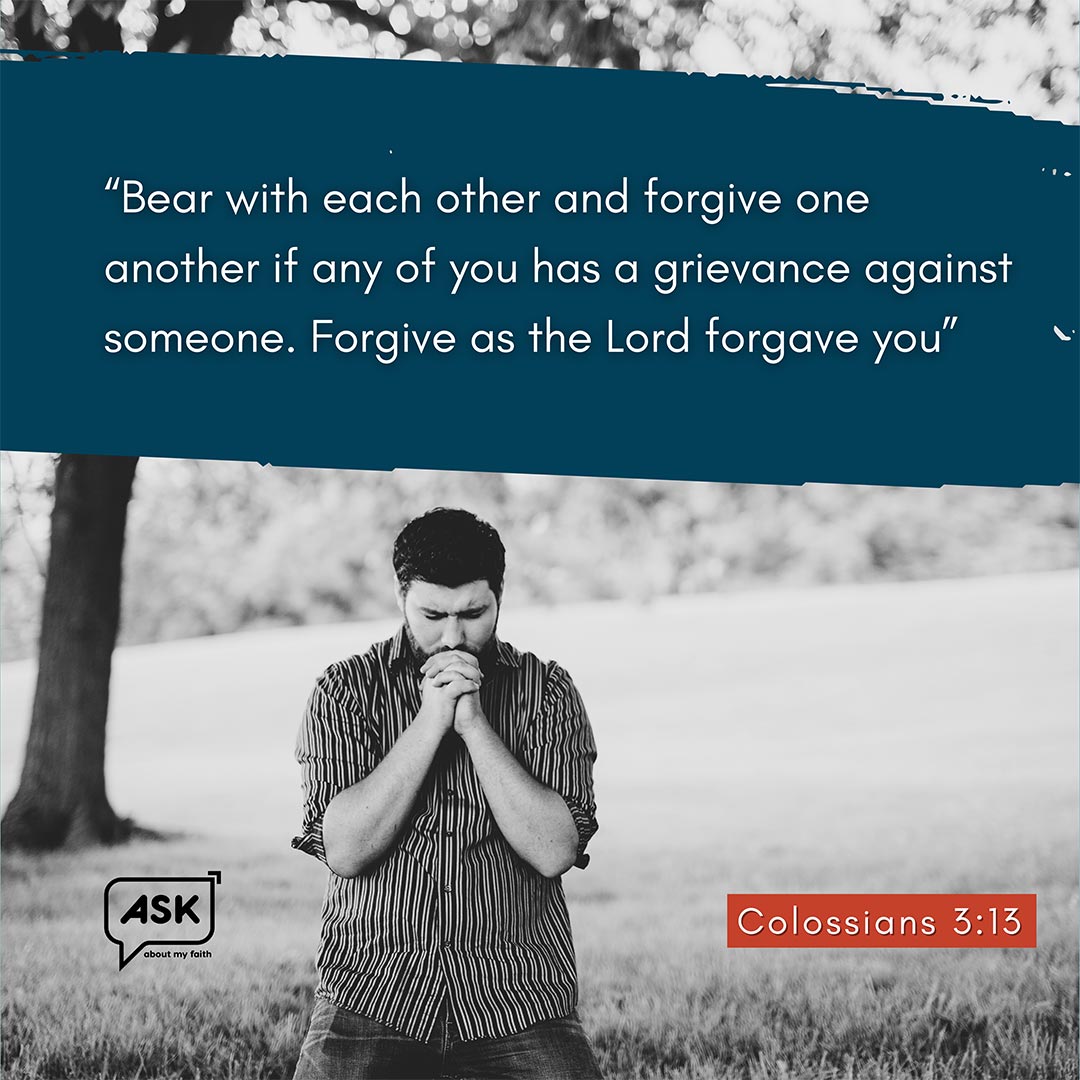
FORGIVE AND BE FREE
THE SEED
“And Joseph said to his brothers, ‘Please come near to me.’ So they came near. Then he said: ‘I am Joseph your brother, whom you sold into Egypt.’” Genesis 45:4 (NKJV)
Few betrayals are as painful as Joseph’s experience with his brothers. They hated him, plotted to kill him, and sold him into slavery. Yet, years later, standing as a powerful ruler, Joseph chose forgiveness over revenge. Forgiveness doesn’t mean forgetting the wrong, but it means releasing the hurt and allowing God to handle justice. Holding on to unforgiveness only weighs us down and hinders God’s blessings. Forgiving those who hurt us frees our hearts to receive divine favour and peace. Just as Joseph did, choose to forgive. Let God deal with those who wronged you. Your victory lies not in revenge but in grace.
Reflection: Forgiveness frees you to step fully into God’s blessings.
BIBLE READING: Matthew 18:21–35
PRAYER: Lord Jesus, give me the grace to forgive those who wronged me, no matter how difficult it may be. Amen.
DÁRÍJI KÍ O SÌ NÍ ITUSÍLẸ̀
IRUGBIN NAA:
“Jósẹ́fù sì wí fún àwọn arákùnrin rẹ pé, ‘Èmi bẹ̀ yín, ẹ súnmọ́ ọ̀dọ̀ mi.’ Wọ́n sì súnmọ́ ọn. Ó sì wí pé, ‘Èmi ni Jósẹ́fù, arákùnrin yín, tí ẹ̀yin tà sí Íjíbítì.’” — Jẹ́nẹ́sísì 45:4
Ìwà ọ̀dàlẹ̀ díẹ̀díẹ̀ ló máa ń dunni bíi ti Jósẹ́fù pẹ̀lú àwọn arákùnrin rẹ̀. Wọ́n kórìíra rẹ̀, wọ́n gbìmọ̀ láti pa á, wọ́n sì tà á sí ẹrú. Síbẹ̀, ọ̀pọ̀ ọdún lẹ́yìn náà, nígbà tí Jósẹ́fù di alákòóso alágbára, ó yan ìdáríjì dípò ẹ̀san. Ìdáríjì kì í túmọ̀ sí pé a fọwọ́ sí ohun búburú tí a ṣe sí wa; ó túmọ̀ sí pípa àwọn ọgbẹ ọkàn sílẹ̀ àti fífi àyè fún Ọlọ́run láti ṣe ìdájọ́. Dídì ọwọ́ mọ́ àìdáríjì máa ń mú kí ọkàn rẹ̀wẹ̀sì, ó sì lè di ìbùkún Ọlọ́run dúró. Nígbà tí a bá dárí ji, ọkàn wa máa ń rí òmìnira, a sì máa ń gbádùn ojú rere àti àlàáfíà. Gẹ́gẹ́ bí Jósẹ́fù ti ṣe, yan láti dárí jì. Jẹ́ kí Ọlọ́run ba ọ ja ìjà rẹ; ìṣẹ́gun rẹ kì í ṣe nínú ẹ̀san, bí kò ṣe nínú oore-ọ̀fẹ́.
ÀṢÀRÒ: Ìdáríjì máa ń sọ ọ di òmìnira láti tẹ̀síwájú sínú ìbùkún Ọlọ́run.
BIBLE READING: Mátíù 18:21–35
PRAYER: Jesu Oluwa, fún mi ní oore-ọ̀fẹ́ láti dárí ji àwọn tí wọ́n ṣẹ̀ mí, láìka bí ó ti ṣòro tó. Amin.