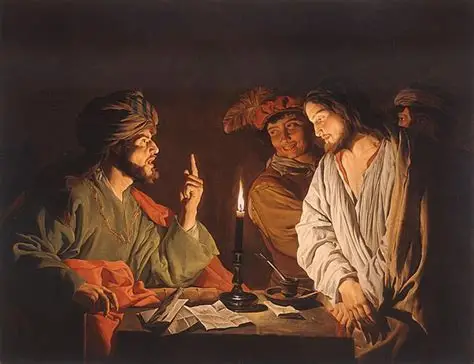
HYPOCRISY IN GOD’S HOUSE
THE SEED
“Woe unto you, scribes and Pharisees, hypocrites! for ye are like unto whited sepulchres, which indeed appear beautiful outward, but are within full of dead men’s bones, and of all uncleanness.” — Matthew 23:27 KJV
Hypocrisy is when outward appearances of holiness mask inner sin, pride, or selfishness. It is pretending to honour God while the heart is far from Him. Jesus sharply rebuked the Pharisees for this, showing that God is not impressed with appearances but desires truth and holiness from within. Hypocrisy can manifest in many ways—pretentious worship, doing good for recognition, judging others while living in sin, or appearing loving publicly while harbouring bitterness privately. But the house of God is a place of sincerity, holiness, and truth. Romans 12:9 urges us to hate what is evil and cling to what is good. The cure for hypocrisy is genuine repentance, humility, and a daily walk in God’s Word. True worship begins in the heart, not on the lips. When our inner life aligns with our outer expression, we reflect God’s glory genuinely is your outward service to God a true reflection of your inner walk with Him?
BIBLE READINGS: Romans 2:21–29
PRAYER: Lord, deliver me from every form of hypocrisy. Help me to serve You in sincerity and truth. Amen.
ÀGÀBÀGEBÈ NÍ ILE ỌLỌ́RUN
IRUGBIN NAA
“Ègbé ni fún yín, ẹ̀yin akọ̀wé àti ẹ̀yin Farisí, alágàbàgebè; nítorí ti ẹ̀yin dàbí ibojì funfun, tí ó dára li òde, ṣùgbọ́n nínú wọn kún fún egungun òkú, àti fún ẹ̀gbin gbogbo. — Mátíù 23:27
Agabagebe jẹ, nigbati awọn ifarahan iwa mimọ ti ode bo ẹṣẹ inu, igberaga, tabi ìmọtara-ẹni-nìkan. O ndíbọ́n láti bọlá fún Ọlọ́run nígbà tí ọkàn rẹ jìnnà sí I. Jésù bá àwọn Farisí wí ni kíkan nítorí èyí, ó fi hàn pé ìrí-ni-sí ènìyàn kò ́wú Ọlọ́run lórí, bí kò ṣe láti fẹ́ òtítọ́ àti jìjẹ́ mímọ́ láti inú. Àgàbàgebè lè fara hàn ní ọ̀pọ̀lọpọ̀ ọ̀nà—ìjọsìn asán, ṣíṣe ohun rere fún ìdánimọ̀, dídá àwọn ẹlòmíràn lẹ́jọ́ nígbà tí o ń gbé nínú ẹ̀ṣẹ̀, tàbí fífi-arahàn pe wọn ní ifẹ̀ ní gbangba, nígbà tí wọ́n ńi ìkorò ni ìpamọ́ nínú wọn. Ṣugbọn ile Ọlọrun jẹ ibi ìdánilójú mimọ, ati otitọ. Romu 12:9 rọ̀ wá láti kórìíra ohun búburú kí a sì rọ̀ mọ́ ohun rere. Ìwòsàn fun agabagebe ni ironupiwada tootọ, irẹlẹ, ati rinrin ninu Ọrọ Ọlọrun ni ojoojumọ. Ìjọsìn tòótọ́ bẹ̀rẹ̀ láti inú ọ́kàn, kì í ṣe lori ètè. Nígbà tí ìgbé ayé inú wa bá wa ni ìbámu pẹ̀lú ìhùwàsí wa ni ode ara, èyí ni yíò ṣé àfihàn ògo Ọlọ́run ní tòótọ́. Njẹ iṣẹ-isin rẹ lòde ara si Ọlọrun jẹ afihan otitọ, ni ti rìnrìn ni inu rẹ pẹlu Rẹ bi?
BIBELI KIKA: Róòmù 2:21–29.
ADURA: Oluwa, gba mi lọ́wọ́ gbogbo iwa agabagebe. Ran mi lọ́wọ́ lati sin Ọ l‘ododo ati òtítọ́. Amin.