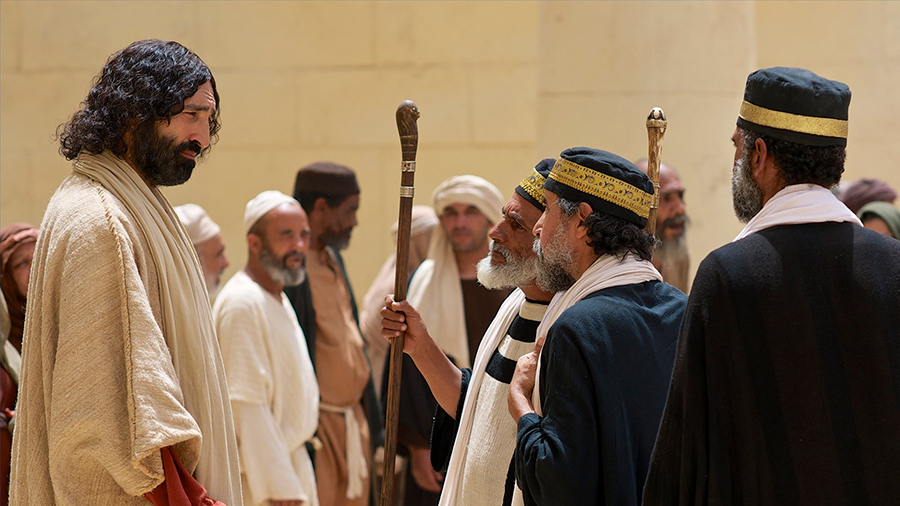
OVERCOMING THE TRAP OF SELF-JUSTIFICATION
THE SEED
“But he, wanting to justify himself, said to Jesus, ‘And who is my neighbor?’” — Luke 10:29 NKJV
Self-justification is a subtle enemy of growth. It’s the tendency to explain away faults, defend actions, or shift blame instead of accepting correction. The man in Luke 10 tried to justify himself before Jesus rather than humbly receive the truth. In the same way, believers often fall into the habit of always having an explanation, refusing to simply acknowledge fault. True maturity in Christ is not about being right all the time but being teachable and humble enough to admit when we are wrong. Sometimes the best response is not to explain—but to listen, apologize, and learn. When we insist on justifying ourselves constantly, we hinder growth and grieve the Holy Spirit. A heart that embraces humility is free. Freedom begins when we stop defending ourselves unnecessarily and allow God’s truth to transform us. Learn to say, “I’m sorry,” “thank you,” or remain silent when correction comes. This is the path of true maturity. Do you find yourself defending your actions more than receiving correction with humility?
BIBLE READINGS: Luke 10:25–37
PRAYER: Lord, teach me to respond to correction with humility. Help me to say sorry rather than justify my wrongs. Amen.
BÍ BORÍ ÈTÈ IDALARE ARA-ẸNI
IRUGBIN NAA
“Ṣùgbọ́n ó fẹ́ dá ara rẹ̀ láre, ó wí fún Jésù pé, ‘Ta ha sì ni ẹnikeji mi?’”—Lúùkù 10:29.
Idalare ara ẹni jẹ ọta arekereke fun idàgbàsókè. O jẹ ọ̀nà lati ṣe alaye awọn aṣiṣe, lati ti awọn iṣe kan lẹhin, tabi yiyi ẹbi si ọ̀nà míràn, dipo gbigba ìbáwí. Ọkunrin ti o wa ninu Luku 10 gbiyanju lati da ara rẹ lare niwaju Jesu ju ki o fi irẹlẹ gba otitọ. Ni ọna kanna, awọn onigbagbọ nigbagbogbo máà nṣubu sinu iwa ṣíṣe ọ̀pọ̀ alaye, dípò ki wọ́n gba ẹbi wọ́n . Ìdàgbà òtítọ́ nínú Kristi kìí ṣe nípa , wi wa lórí otitọ ní gbogbo ìgbà, ṣùgbọ́n jíjẹ́ ẹni tí o le gba ẹ̀kọ́ ́ àti onírẹ̀lẹ̀, tó niláti gbà ẹbi mọ́ra, tí a bá ṣe àṣìṣe. Nigba miiran idahun ti o dara julọ, kii ṣe lati ṣalaye – ṣugbọn lati gbọ, ka tọrọ àforíjì, ki a sì kọ ẹkọ. Nigba ti a ba taku lori idalare fun ara wa nigbagbogbo, a nṣe idiwọ fún idagbasoke a sí nmu Ẹmi Mimọ bínú. Ọkan ti o gba irẹlẹ o ni itusilẹ. Ominira bẹrẹ nigbati a dawọ igbera- ẹni- nija dúró lainidi, ti a si jẹ ki otitọ Ọlọrun yi wa pada. Kọ lati sọ pé, “Ma binu,” “o ṣeun,” tabi ki o dakẹ nigbati ìbáwí ba de. Eyi ni ọna si idagbasoke otitọ. Ǹjẹ́ o ri ara rẹ ni olugbeja awọn iṣe rẹ, ju gbigba atunṣe pẹlu irẹlẹ bi?
BIBELI KIKA: Lúùkù 10:25–37.
ADURA: Oluwa, kọ mi lati dahun si ibawi pẹlu irẹlẹ. Ran mi lọwọ lati sọ binu, pju idalare awọn aṣiṣe mi. Amin.